
A stray animal is any dog, cat, or other pet that lives on the streets without a home or proper care. These animals often depend on leftovers, kindness and luck to survive. In warm months they manage better. But when winter arrives their life becomes dangerous.
The Harsh Reality of Cold Weather for Strays
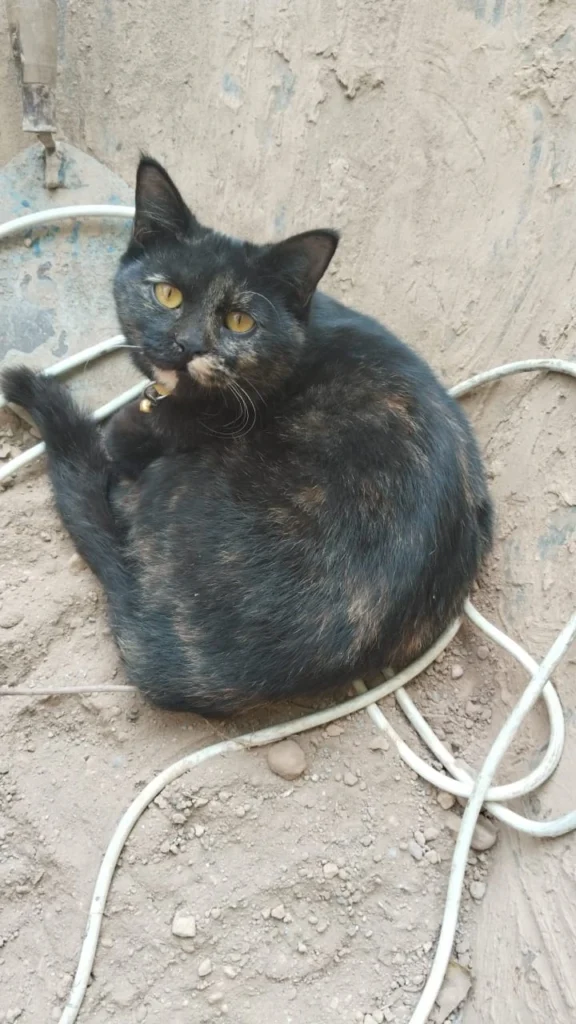
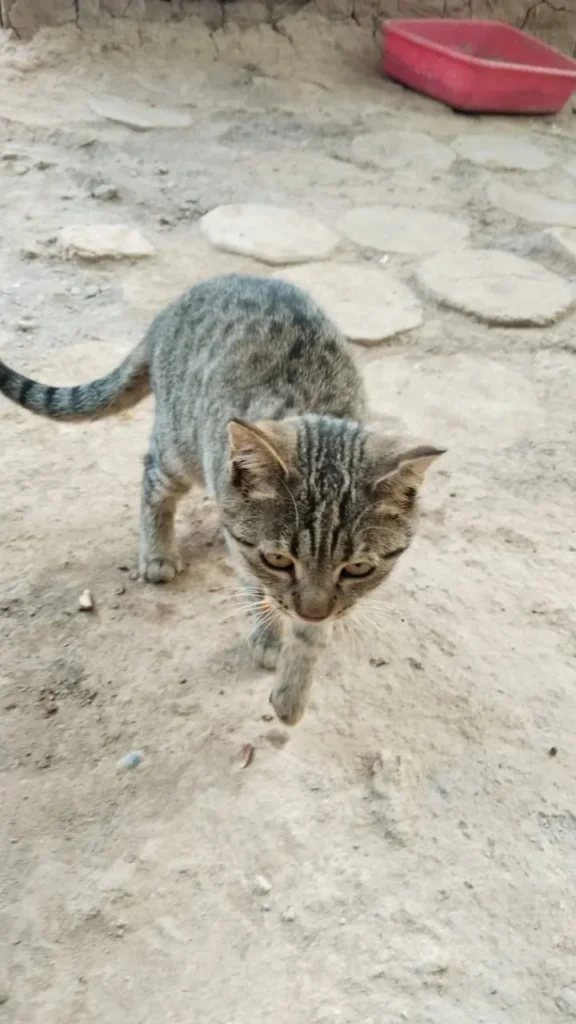
Winter is a hard season for every living being. But for stray animals it is a fight for survival. They face freezing nights, hunger, illness and loneliness. Without warm shelters or enough food their health declines quickly.
Many suffer from hypothermia, frostbite, or starvation. Some don’t make it through the season.
Key Challenges for Stray Animals in Winter
- Lack of shelter from rain, snow, and wind
- Limited access to food and clean water
- Risk of frostbite and hypothermia
- Increased illness due to weak immunity
- Fear and isolation due to harsh conditions
Why Stray Animals Need Extra Care in Winter?
Stray animals can not find warm places like pets at home. Their fur alone cannot protect them from extreme cold. During winter even one cold night can be fatal for a small animal.
If you observe strays in your area, a little help can save lives.
Common Signs of an Animal in Danger
- Shivering or limping
- Hiding under vehicles or bushes for warmth
- Visible ribs due to lack of food
- Slow or weak movement
- Crying or whining sounds
When you see these signs don’t ignore them. They are asking for help without words.
Simple Ways to Help Stray Animals in Cold Weather
You do not need to be an animal expert. Small actions can protect lives.
1. Build a Simple Shelter
You can use old cardboard boxes, plastic crates or wooden boxes. Add blankets, towels or straw inside for insulation.
Place it in a dry, safe spot, away from wind or water.
Tips for making shelters:
- Keep the entrance small to trap heat
- Raise it slightly off the ground
- Cover with a plastic sheet to stay dry
- Clean and replace bedding weekly
2. Provide Food and Water
In cold weather animals burn more energy to stay warm.
Feeding strays helps them survive freezing temperatures.
- Offer dry kibble or cooked rice with chicken
- Avoid spicy or oily food
- Check water bowls regularly as water can freeze
3. Contact Local Rescue Groups
Many animal welfare organizations rescue and treat stray animals. If you find an injured or sick animal, call a rescue team or local shelter. Some groups also run winter feeding programs where volunteers distribute food to street animals.
House of Happiness: A Shelter of Hope
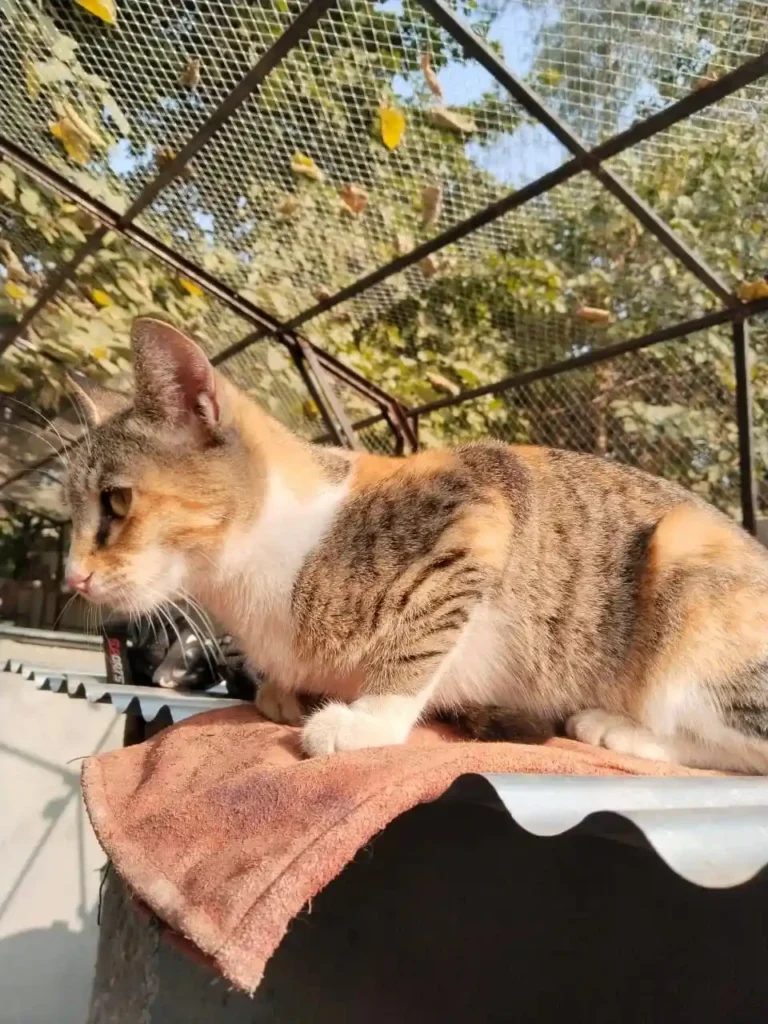
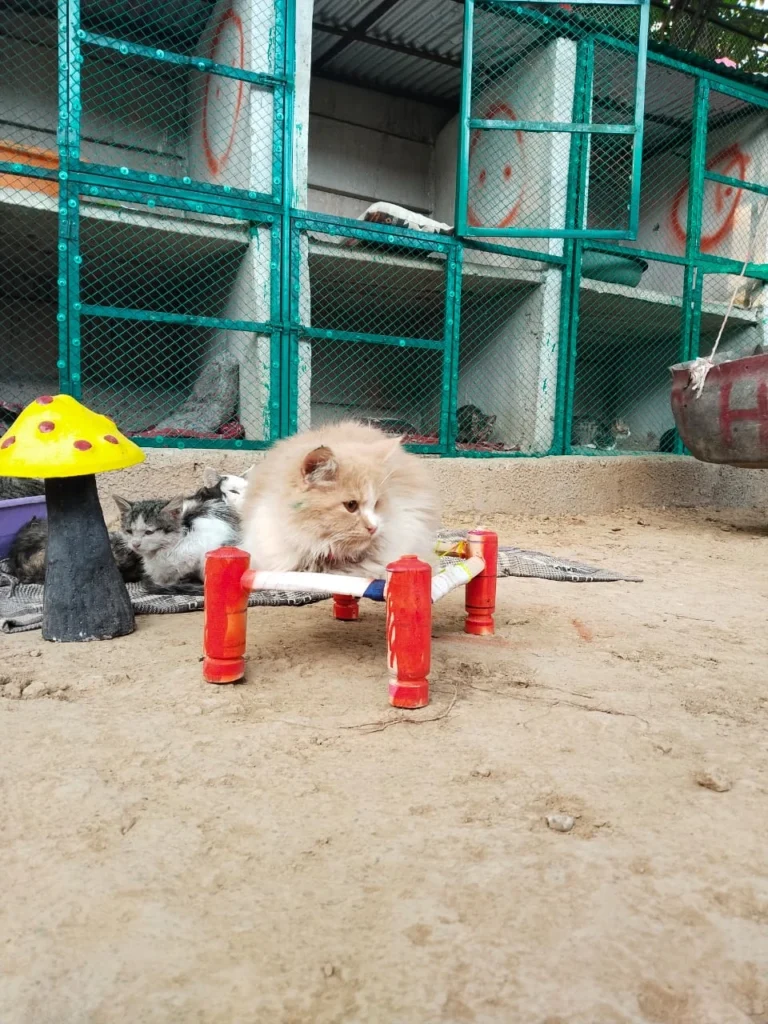
In Islamabad the House of Happiness provides safe spaces for stray animals. These shelters offer warmth, medical care and food during harsh winters. They prove that compassion can save lives. Supporting such organizations through donations or volunteering helps create a safer community for every stray.
Community Efforts That Make an Impact
Organize Local Feeding Points
You and your neighbors can set up small feeding spots near homes or parks. Use bowls or containers and refill them daily.
Spread Awareness
Talk to others about stray animals’ struggles. Encourage people to help not ignore. Use social media to share photos, information or helpline numbers.
Adopt or Foster Temporarily
If you have space, foster a stray during cold months.
Even short-term care can prevent suffering.
Once the weather improves, you can rehome or release the animal safely.
Comparing Outdoor vs Indoor Survival for Stray Animals
| Condition | Outdoor (Stray) | Indoor (Shelter or Home) |
|---|---|---|
| Temperature Control | Exposed to extreme cold | Warm and stable |
| Food Availability | Irregular or scarce | Regular meals |
| Health Risk | High risk of disease | Medical care available |
| Safety | Threat from traffic or attacks | Safe environment |
| Life Expectancy | Often short due to hardship | Longer, healthier life |
This comparison shows how much difference a roof, warmth, and food make in a stray animal’s life.
How Cold Weather Affects Stray Dogs and Cats Differently?
Stray Dogs
Dogs often travel in groups and share warmth, but short-haired breeds and puppies are more at risk. Street dogs can get frostbite on their ears, paws, and tails.
Stray Cats
Cats hide in cars, under porches, or near engines for warmth. This can lead to accidents. Always check under your car before starting it.
Health Risks for Stray Animals in Cold Climates
- Frostbite: Damages skin and tissues due to freezing.
- Hypothermia: Body temperature drops too low, causing weakness and death.
- Malnutrition: Cold increases calorie needs.
- Respiratory infections: Common due to damp and cold exposure.
- Joint pain: Older animals struggle more in cold temperatures.
The Role of Local Governments and NGOs
Authorities can support animal welfare through:
- Building community shelters
- Running sterilization and vaccination drives
- Funding winter care programs
- Educating citizens about humane treatment
NGOs often lead these efforts, but success depends on community cooperation.
How You Can Encourage Compassion in Your Area
- Teach children to treat animals kindly
- Volunteer at local shelters
- Report cruelty or neglect
- Support sterilization drives to control stray populations
- Offer small donations to feeding programs
Every action builds a more caring environment.
Why Helping Stray Animals Matters
Helping strays in cold weather isn’t just about compassion. It improves your community’s hygiene and safety. Healthy animals are less likely to spread disease or behave aggressively.
Your kindness creates a chain of positive change.
Benefits to You and Your Community
- Reduces suffering on the streets
- Builds community responsibility
- Improves public health
- Strengthens human-animal connection
A Warm Heart Can Save a Cold Life
When winter comes, stray animals rely on human kindness. Your simple act like leaving food or making a small shelter can mean survival. Compassion starts with awareness and grows through action.